5 Common Excavation Challenges and How Experts Overcome Them
Excavation isn't merely about digging and removing dirt; it's an art form that requires precision, extreme caution, and adherence to national and local guidelines. Undertaking any excavation project demands a thorough evaluation of potential risks across varied dimensions, including soil types, water tables, weather conditions, machinery, and regulatory frameworks. Recognizing these challenges early provides a solid foundation from which a professional excavation company can adequately prepare and respond with adaptability and knowledge. This comprehensive approach promotes not only economic and operational efficiency but also environmental stewardship and community relations.
1. Understanding and Managing Soil Variability
Soil is the foundation of any excavation project, literally and metaphorically. The variability in soil types can significantly influence construction methodology, costs, and timeline. According to Urbint, OSHA has three classifications for soil: Type A, Type B, and Type C. Different soil types possess various physical and chemical characteristics that dictate their behavior under stress and expose them to erosion or instability risks. For an excavation company to begin any project, conducting thorough soil testing is imperative. Techniques such as soil sampling and laboratory analysis are commonly employed to understand composition and load-bearing capacities, factors which are non-negotiable for ensuring structural stability.
Once the composition is understood, adaptation in excavation methods follows suit. Sandy soils may require shoring to prevent collapse, clay soils need careful handling due to swelling potential, and loose soils may necessitate advanced stabilization techniques. A one-size-fits-all approach is not recommended, as unforeseen soil conditions can create challenges only manageable through real-time adjustments and robust field assessments. Cost considerations also come into play as aligning with the correct soil profiling can prevent escalated budgets due to unexpected soil management needs. Contrary to popular belief, preparing for unexpected soil behavior is as important as initial soil assessment.
For adept handling of challenging soils, utilizing modern soil stabilizers is becoming the industry norm. These materials are designed to increase load-bearing capacities and reduce deformation, thereby improving soils' performance as construction substrates. Project costs can range extensively depending on the soil management methods employed.
2. Dealing With Groundwater Challenges
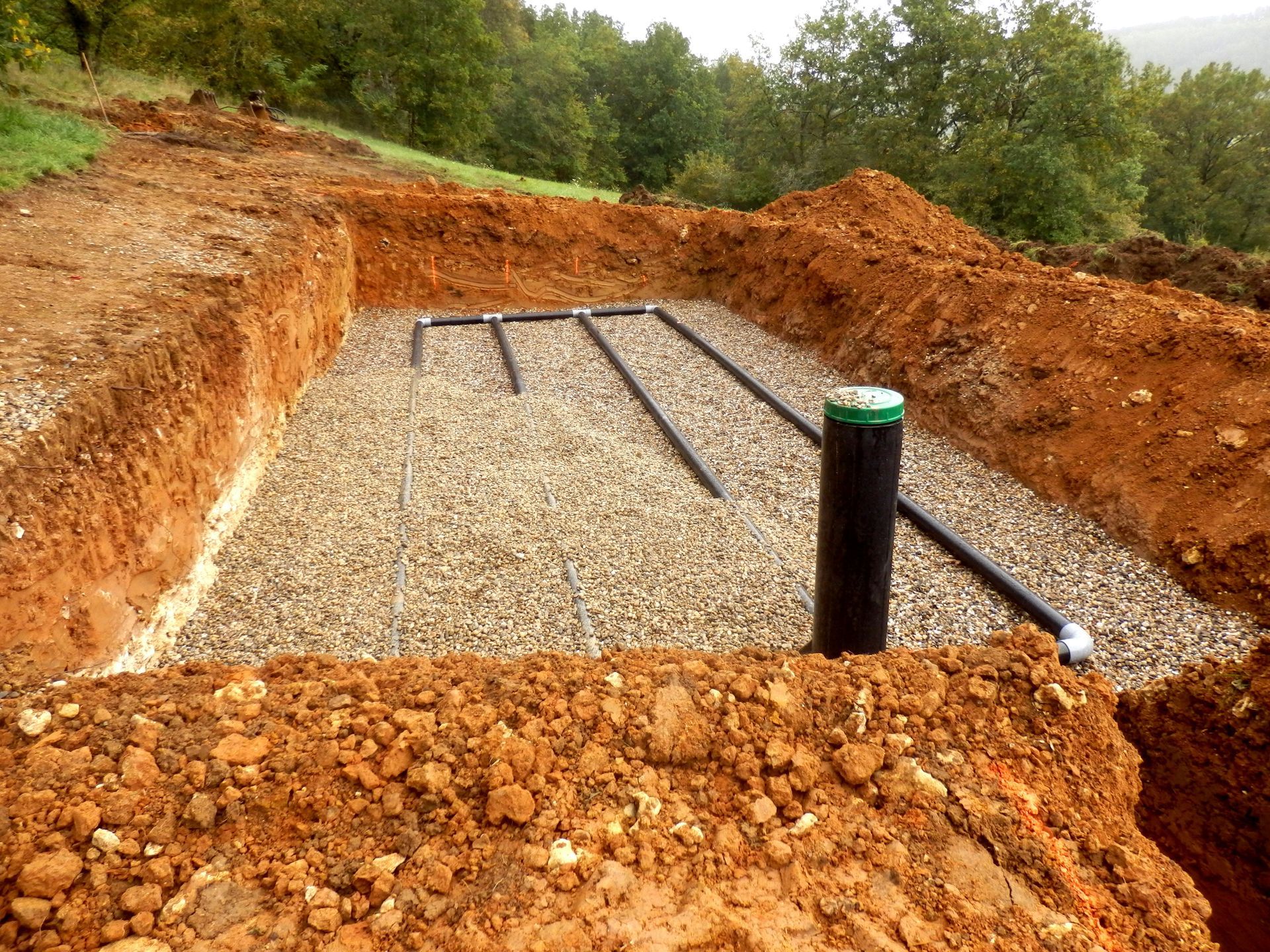
Groundwater poses a significant challenge to an excavation company due to its potential to disrupt excavation activities through surface flooding or undermining structural integrity. Comprehensive groundwater assessment is a vital procedure, relying on data acquired through hydrological surveys and test pits. This information forms the basis from which informed decisions regarding dewatering techniques can be made. Failing to address groundwater issues adequately can lead to substantial financial setbacks and project delays. Obtaining a precise understanding of water table levels is therefore essential to plan for effective water management strategies.
Various dewatering solutions have been developed to address the interference of groundwater in excavation projects. Techniques such as sump pumping, well points, and drainage are employed to redirect or alleviate water pressure from construction sites. Emphasizing robust engineering designs helps ensure that groundwater is mitigated effectively, thereby preventing soil destabilization and safeguarding against potential flooding. Additionally, the implementation of waterproofing strategies is a form of risk mitigation to protect the work zone and its surroundings from water ingress, which could otherwise jeopardize the site's safety.
Monitoring groundwater levels is an ongoing requirement throughout the duration of a construction project. This involves using meters and water level loggers to collect real-time data, allowing timely and appropriate responses to any disruptions. Real-world implementation of these tactics is evident in large-scale projects where maintaining a dry site is critical for successful completion. Such proactive measures are integral to effective ecosystem management, reducing the costs associated with unexpected water-related challenges while demonstrating industry commitment to environmental concerns. The wealth of collective expertise and technology-driven strategies aids not only compliance but also improves overall project outcomes.
3. Handling Environmental and Weather Constraints
Environmental and weather constraints often pose unexpected challenges to an excavation company, influencing timelines and resource allocation. Assessing environmental impact is crucial at the planning stage to ensure ecosystems are preserved and regulations are adhered to. This encompasses evaluations of local flora and fauna, hydrological conditions, and soil composition. Adopting an environmental management plan leads to successful implementation of projects with minimized ecological footprints. Recognizing the significance of these aspects plays a critical role in gaining community and regulatory support for excavation work.
Weather-related delays are an intrinsic aspect of civil engineering projects, necessitating contingency plans for unanticipated climatic conditions. Rain, snow, and extreme temperatures not only stall progress but can jeopardize the integrity of the site. Employing mitigation strategies such as enhanced drainage systems, temporary shelter coverage, and scheduling adjustments aids in maintaining project momentum. These tactics ensure redundancy and resilience against weather-related risks, allowing for seamless operations amidst unforeseen disruptions. The cost of interruptions is managed more effectively, safeguarding against budget overruns typically associated with timeline extensions.
4. Overcoming Equipment and Mechanical Failures
Mechanized excavation has brought significant advancements to the construction industry, yet reliance on machinery introduces the risk of equipment failure. Vigilant, regular maintenance is crucial to prevent disruptions and costly downtime. This includes adhering to manufacturer-recommended service intervals, condition monitoring, and conducting robust operational checks. Unforeseen failures can still occur despite preventive strategies, highlighting the need for responsive contingency planning. The importance of consistent maintenance is underscored by the substantial costs associated with unplanned equipment repairs and schedule delays.
Backup systems serve as crucial fail-safes to maintain operational continuity amidst mechanical failures. These systems provide the redundancy required to support primary equipment, minimizing downtime during repairs or replacements. Options range from utilizing on-site spare parts to maintaining agreements with rental services to expedite access to necessary machinery. Backups represent strategic investments in project management reliability and cost predictability. Planning for failover reinforces project confidence and allows quick transitions to alternative workflows, critical in high-stakes excavation tasks.
5. Addressing Regulatory and Compliance Issues
Regulations and compliance are core elements of excavation projects, demanding strict adherence to legal standards and protocols. Navigating permitting processes can be complex but is vital for maintaining alignment with local, state, and national legislation. These processes often require coordinating with multiple agencies, which can be time-intensive and intricate. Compliance ensures not only adherence to safety standards but also mitigates the risk of fines and legal challenges. A keen understanding of these regulations helps shape responsible business practices that are essential in boosting public perception and trust.
Safety standards are paramount in excavation, necessitating an unwavering commitment to creating secure work environments. Implementing industry best practices and safety training programs reduces occupational hazards that excavation projects inherently present. Compliance typically involves regular safety audits, hazard identification, and proactive response planning to protect both operators and surrounding communities. Engaging in continuous education about evolving standards safeguards personnel and aligns organizations with regulatory innovations. Staying abreast of these shifts further aids compliance and positions excavation firms favorably within their sectors.
Zoning laws and environmental regulations frame the permissible parameters within which excavation activities can occur. Engineering teams must account for spatial restrictions, land use permissions, and conservation mandates during planning phases. Effective liaison with regulatory bodies is necessary to secure appropriate documentation and ensure project legitimacy. Techniques such as stakeholder workshops, transparent communication, and collaborative problem-solving can help cultivate positive relationships with regulatory authorities. These efforts are pivotal in navigating challenging regulatory texts and shaping the strategic direction of excavation projects toward legal and strategic alignment.
Excavation projects entail far more than just breaking ground; they're complex procedures interwoven with challenges that require informed strategies, resilience, and cutting-edge technologies. Individuals and firms in the industry must continuously adapt their methods within the confines of economic, environmental, regulatory, and technical parameters. To get started with an excavation company that can confront these challenges with expertise and professionalism, reach out to AAA Advantage Carting & Demolition.



Share On: