6 Things to Know Before Starting a Residential Demolition Project
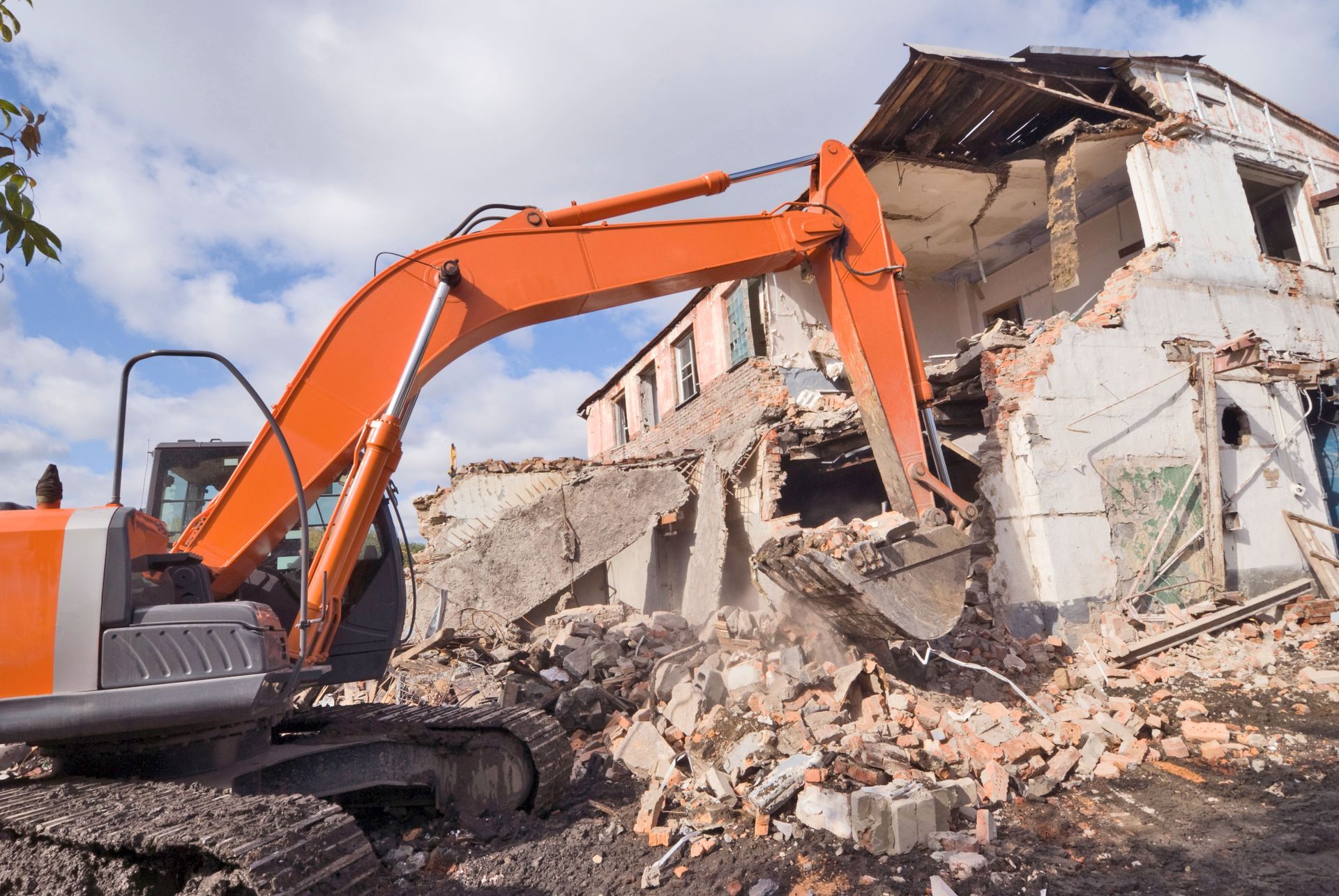
Embarking on a residential structure teardown is a major milestone that opens up exciting possibilities for property redevelopment, modern rebuilding, or parcel clearing. Whether you plan to replace an outdated dwelling with a custom home, clear a distressed structure, or prepare land for new construction, thorough preparation is critical to long-term success. Tearing down a residential building involves far more than simply bringing heavy machinery onto a site to collapse standing walls and haul away materials. Residential teardown projects require detailed planning, strict adherence to local municipal regulations, careful site evaluation, and systematic waste handling protocols. Without proper preparation, property owners can encounter unexpected delays, environmental complications, municipal penalties, or severe site hazards that disrupt project timelines and create unnecessary stress. Engaging certified specialists who deliver professional demolition services ensures that every phase of the project proceeds safely, legally, and efficiently. By taking the time to understand the essential requirements before work begins, you can protect neighboring structures, ensure worker safety, and streamline the transition toward your property development goals.
1. Securing Required Municipal Permits and Documentation
Before any heavy machinery or equipment touches your property, obtaining proper municipal authorization is legally mandatory in almost every jurisdiction. Local governments require specific building permits, environmental authorizations, and site work approvals before structural dismantling can commence. Permit protocols are designed to protect public safety, ensure compliance with zoning guidelines, and safeguard surrounding municipal property infrastructure. Obtaining these official permits typically requires submitting detailed site plans, utility disconnection notices, and historical structural documentation to municipal building departments. Navigating local municipal bureaucracy can take considerable time, making it essential to start the permit application process well before your intended project start date. Operating without mandatory permits can result in immediate stop-work orders, substantial administrative fines, and severe legal complications for property owners. Hiring experienced contractors who provide comprehensive demolition services helps streamline the permitting process, as seasoned specialists understand regional regulatory expectations and ensure all necessary documentation is properly filed before site work begins.
2. Disconnecting Essential Utilities Before Site Work
Ensuring that all active utility lines are completely disconnected and safely capped is a critical safety step before any structural teardown begins. Residential structures are connected to complex networks of electricity, natural gas, municipal water, sewer lines, and telecommunications cabling. Striking an active gas line or electrical conduit during mechanical clearing creates immediate life-threatening hazards, including severe fires, unexpected explosions, or electrocution risks. Property owners must coordinate directly with local utility companies to schedule official service shutoffs and receive formal written verification that all connections are inactive. Additionally, municipal sewer connections must be capped at the property boundary line to prevent debris from infiltrating regional sewer mains during active work. Planning for utility disconnections is essential, as utility providers often require notice to complete service cutoffs. Professional teams offering specialized demolition services inspect the site thoroughly to confirm all utilities are deactivated before bringing heavy machinery onto the property grounds.
3. Identifying Environmental Hazards and Hazardous Materials
Older residential dwellings frequently contain hazardous substances that require specialized identification, handling, and disposal prior to structural teardown. Common hazardous materials found in older homes include asbestos insulation, lead-based paint, mercury switches, and synthetic chemical compounds. Disturbing these materials without proper environmental controls releases toxic airborne particles, creating severe health hazards for workers and nearby residents. Municipal and federal environmental regulations require professional hazardous material surveys before structural clearing begins on older properties. If hazardous materials are detected, certified technicians specializing in demolition services must remove and safely dispose of these substances following strict regulatory procedures. According to Fixr, clearing a residential dwelling can generate up to 60 dumpster loads of waste materials, contingent upon the overall dimensions of the residence, the removal approach applied, and the volume capacity of the collection containers. This massive volume underscores why hazardous waste must be separated from general debris to prevent environmental contamination at municipal processing facilities during ongoing site clearing activities.
4. Planning Debris Management and Structural Removal Strategy
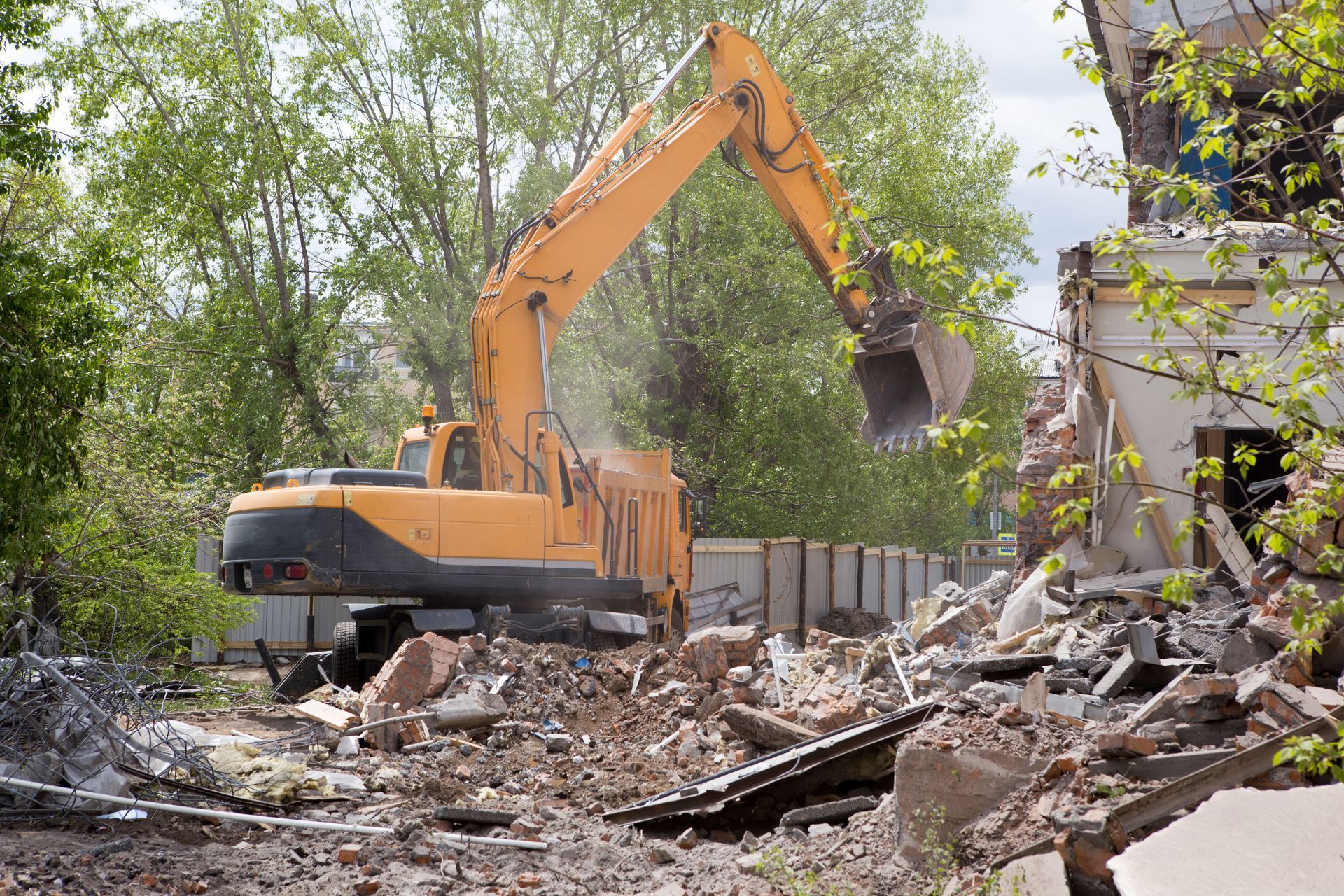
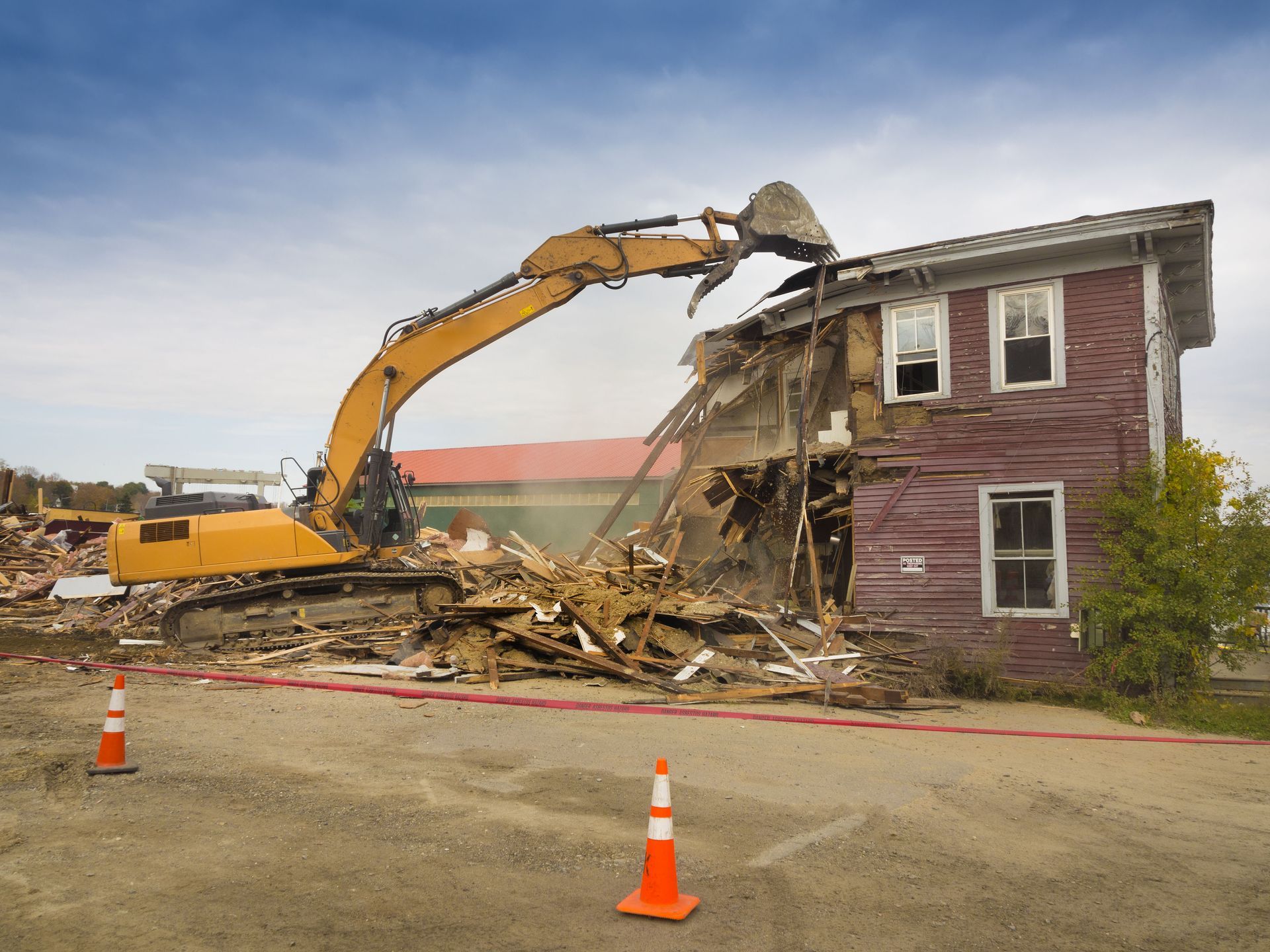
Managing the massive accumulation of materials produced during a structural teardown requires a systematic, pre-planned waste management strategy. Tearing down a residential structure generates vast quantities of concrete, timber, drywall, roofing materials, metal piping, and glass. Simply piling materials on site creates hazardous working conditions and blocks machinery mobility, leading to severe project bottlenecks and unnecessary safety risks. Effective waste management involves sorting recyclable materials, such as structural metals and crushed concrete, away from general solid waste to reduce landfill impact and support environmental sustainability goals. Establishing dedicated staging areas on property grounds allows collection containers and hauling trucks to enter, load, and exit efficiently. Working with expert teams providing full-scale demolition services guarantees that waste collection containers arrive on schedule, materials are loaded safely, and all debris is transported to licensed disposal facilities in full compliance with environmental laws.
5. Evaluating Site Accessibility and Neighboring Property Impact
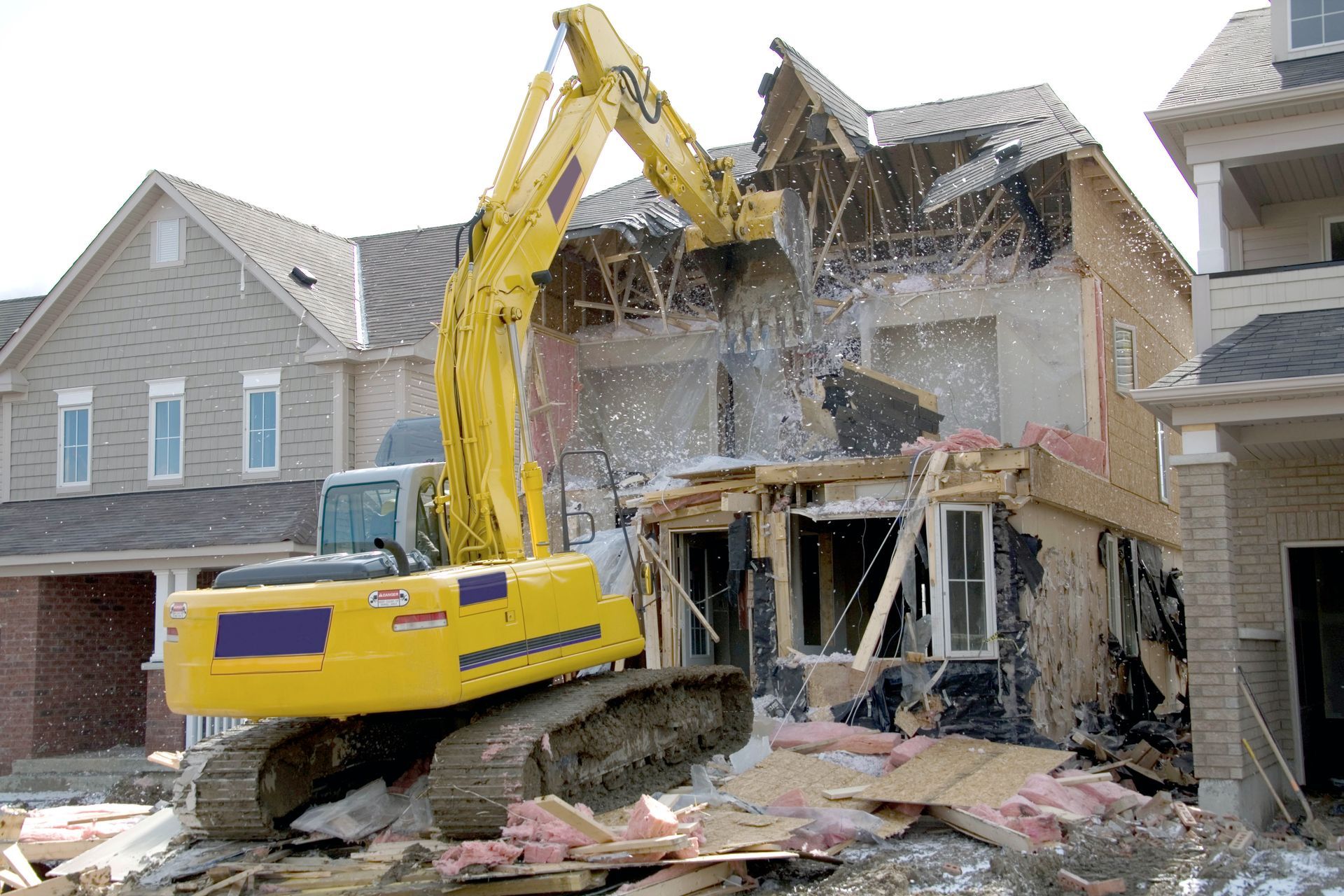
Residential property clearing takes place in proximity to neighboring homes, public roadways, shared driveways, and underground municipal utilities. Assessing site accessibility is essential to ensure that large excavators, bulldozers, and haulers can access the property safely without damaging overhead power lines, low-hanging tree limbs, or adjacent pavements. Additionally, heavy clearing activities generate noise, ground vibration, and significant airborne dust, which can impact nearby residents if not managed proactively. Implementing dust suppression measures, such as spraying water during mechanical clearing, keeps airborne particulates under control throughout active operations. Establishing protective perimeter fencing safeguards neighboring properties and prevents unauthorized pedestrians from entering active work zones. Utilizing reliable demolition services ensures that operators take appropriate precautions to protect adjacent structures, respect community quiet hours, and maintain positive relationships with surrounding neighborhood residents throughout active clearing operations.
6. Selecting Professional Operators for Heavy Machinery Handling
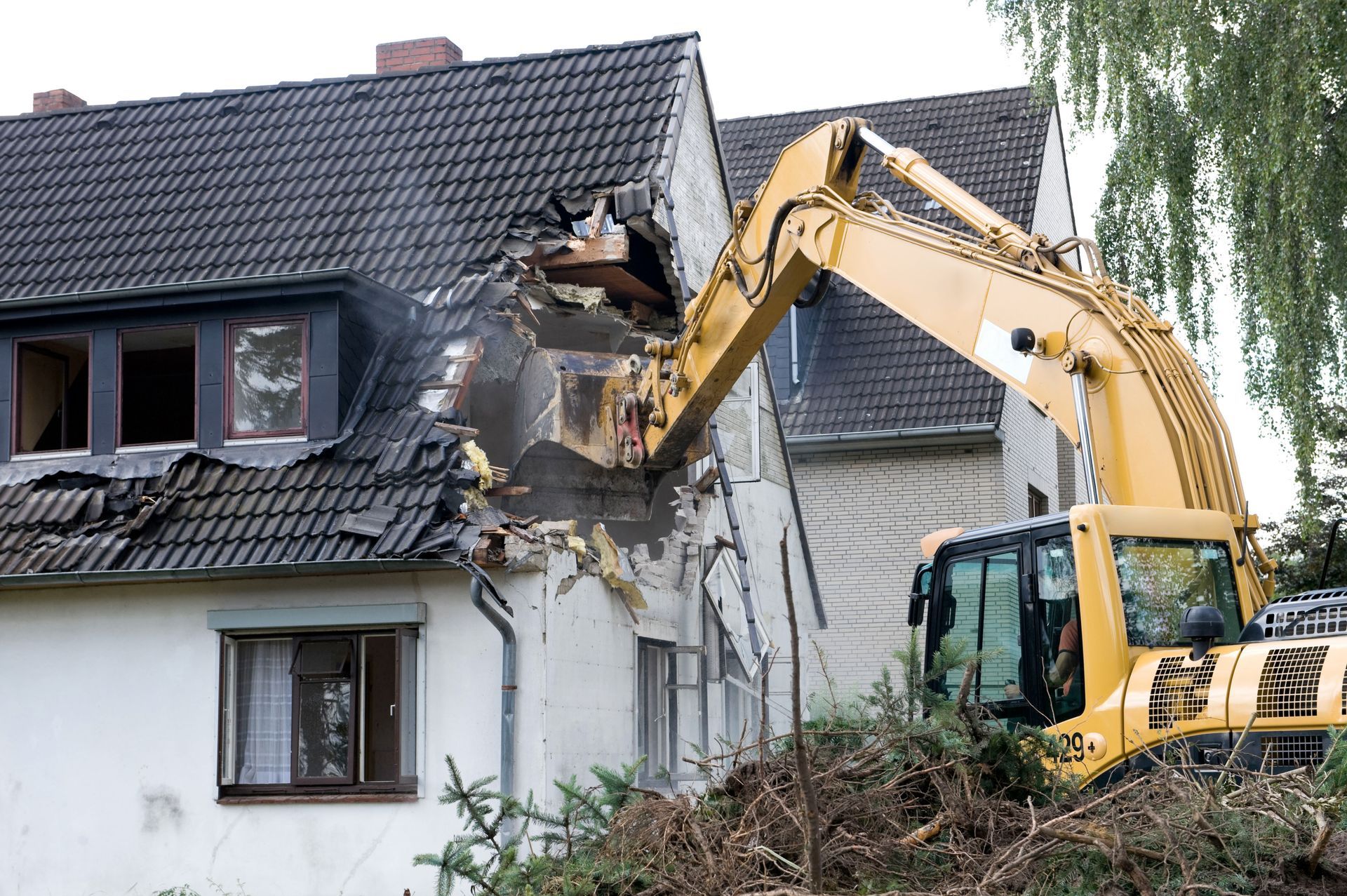
Structural teardown is a highly specialized engineering process that requires technical expertise, advanced heavy machinery, and rigorous safety protocols. Attempting to manage structural clearing without professional expertise increases the risk of accidental structural collapse, equipment damage, or severe personal injury. Experienced machinery operators understand structural physics, weight distribution, and controlled dismantling techniques that ensure walls and roof trusses fall inward safely away from property boundaries. Furthermore, certified contractors carry comprehensive liability insurance and workers' compensation coverage, protecting property owners from financial liabilities in the event of unexpected site accidents. Partnering with licensed specialists delivering dedicated demolition services provides access to modern, well-maintained equipment and highly skilled crews. Professional management guarantees that your residential project moves forward smoothly, efficiently, and safely from initial site inspection through final ground grading and preparation for future construction.
Successfully executing a residential structural clearing project requires meticulous planning, strict regulatory compliance, detailed hazard assessment, and efficient waste management. By understanding permitting requirements, disconnecting utility systems, identifying environmental hazards, establishing waste disposal plans, and respecting neighboring properties, you set the foundation for a safe and efficient project. Using experienced professionals for your project ensures that every phase of the process is executed with precision, safeguarding your site and surrounding community. Early diligence prevents unexpected delays that could derail your broader construction timeline. Thorough site preparation turns a complex teardown into a seamless transition toward your new property vision.
If you are ready for a seamless structural teardown, contact us at AAA Advantage Carting & Demolition today. We will help you navigate your project safely from initial planning through complete site clearing.

Share On: