What Happens After a Demolition Service Finishes
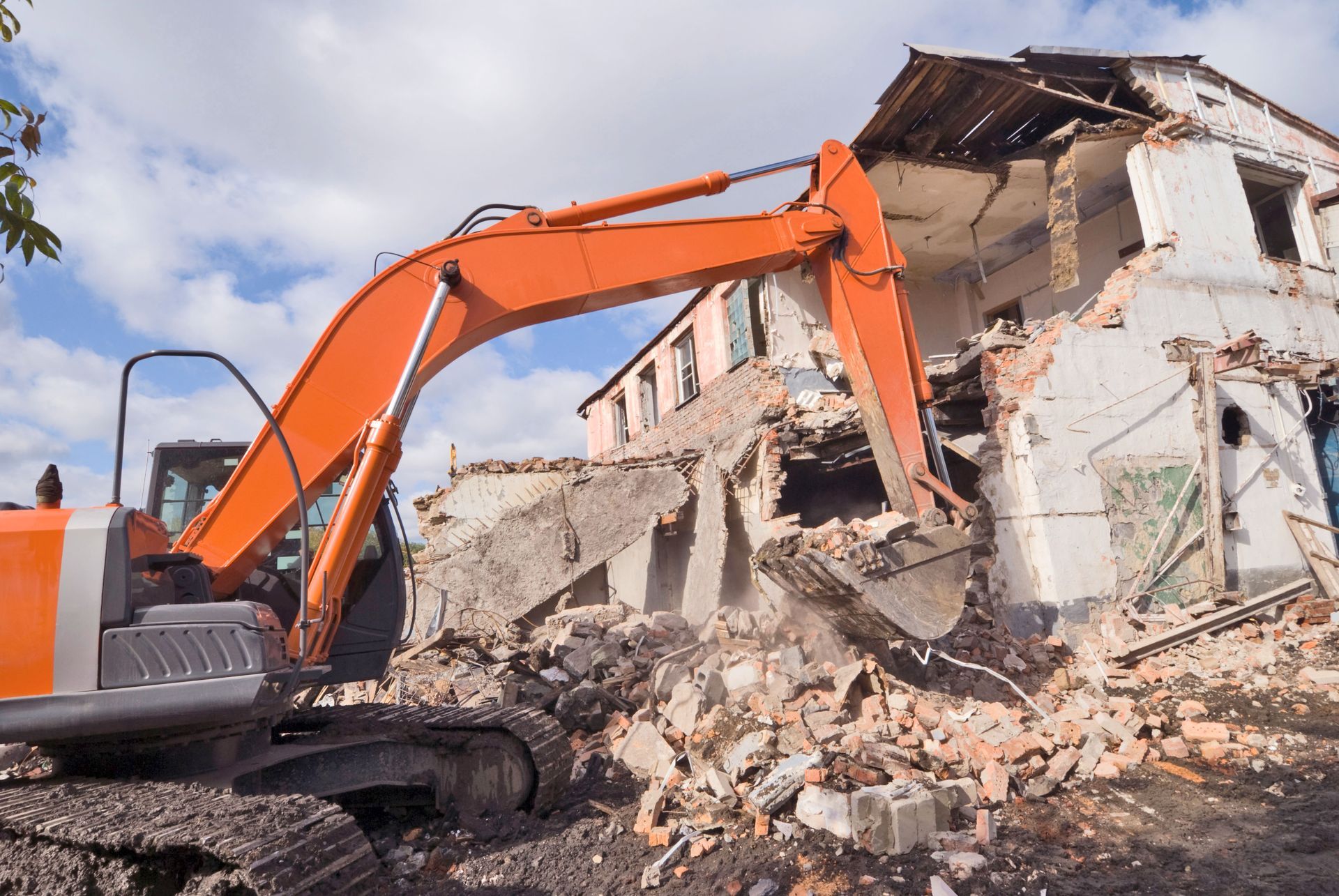
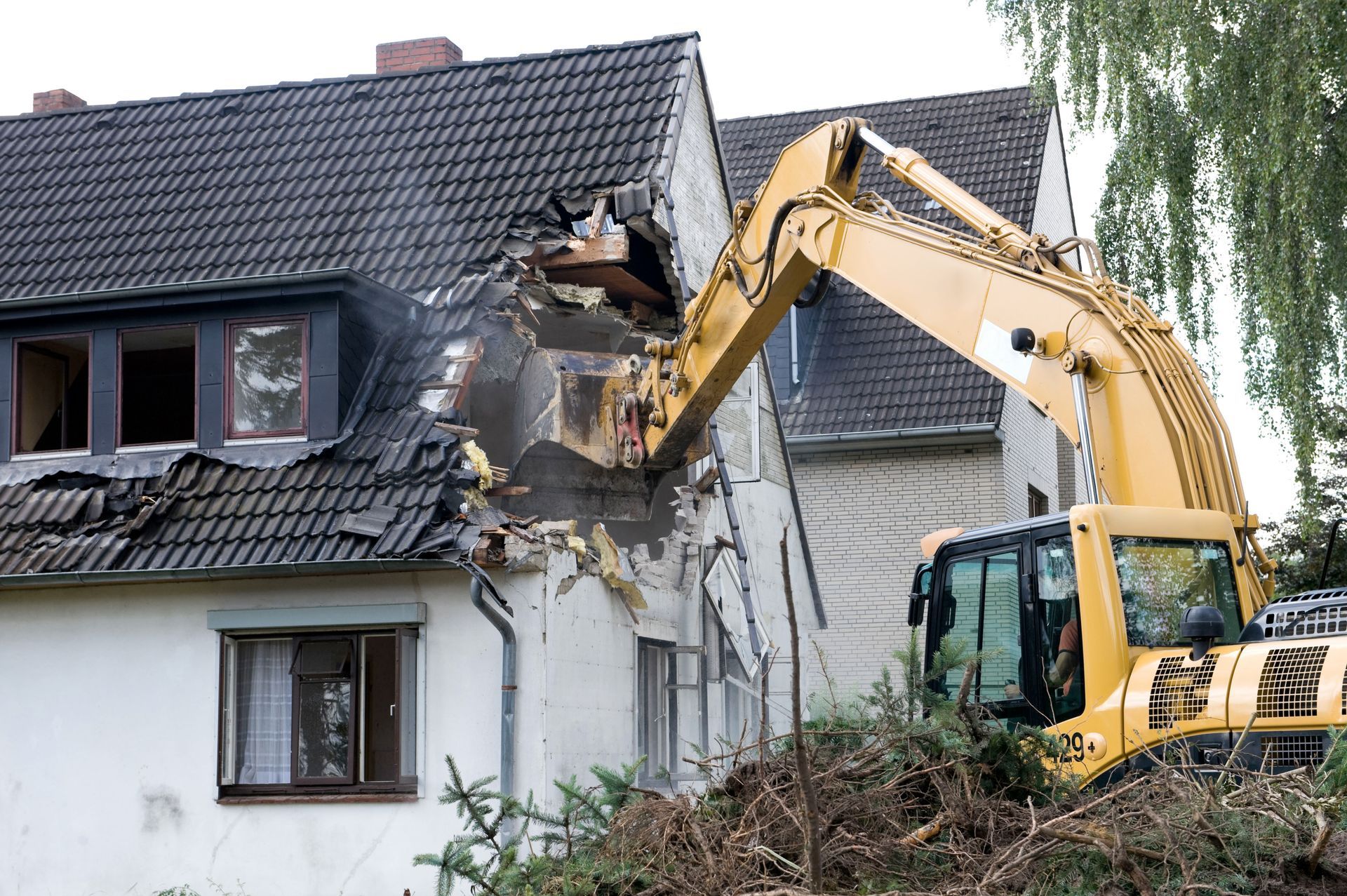
Demolition is often viewed as the final step in removing an unwanted building or structure, but the work does not end when the walls come down. Once the demolition is complete, the property must be cleared, evaluated, and prepared for whatever comes next. This process can involve hauling away debris, removing leftover materials, filling excavated areas, and grading the ground to create a stable surface. Each step contributes to making the site safer, cleaner, and more usable. Depending on the property's condition and the next construction plans, additional preparation may also be necessary. Professional demolition services often include or coordinate these post-demolition tasks to help property owners manage the transition from an existing structure to a cleared site. Understanding what happens after demolition can help homeowners, contractors, and commercial property owners plan their projects more effectively.
Clearing Remaining Demolition Debris
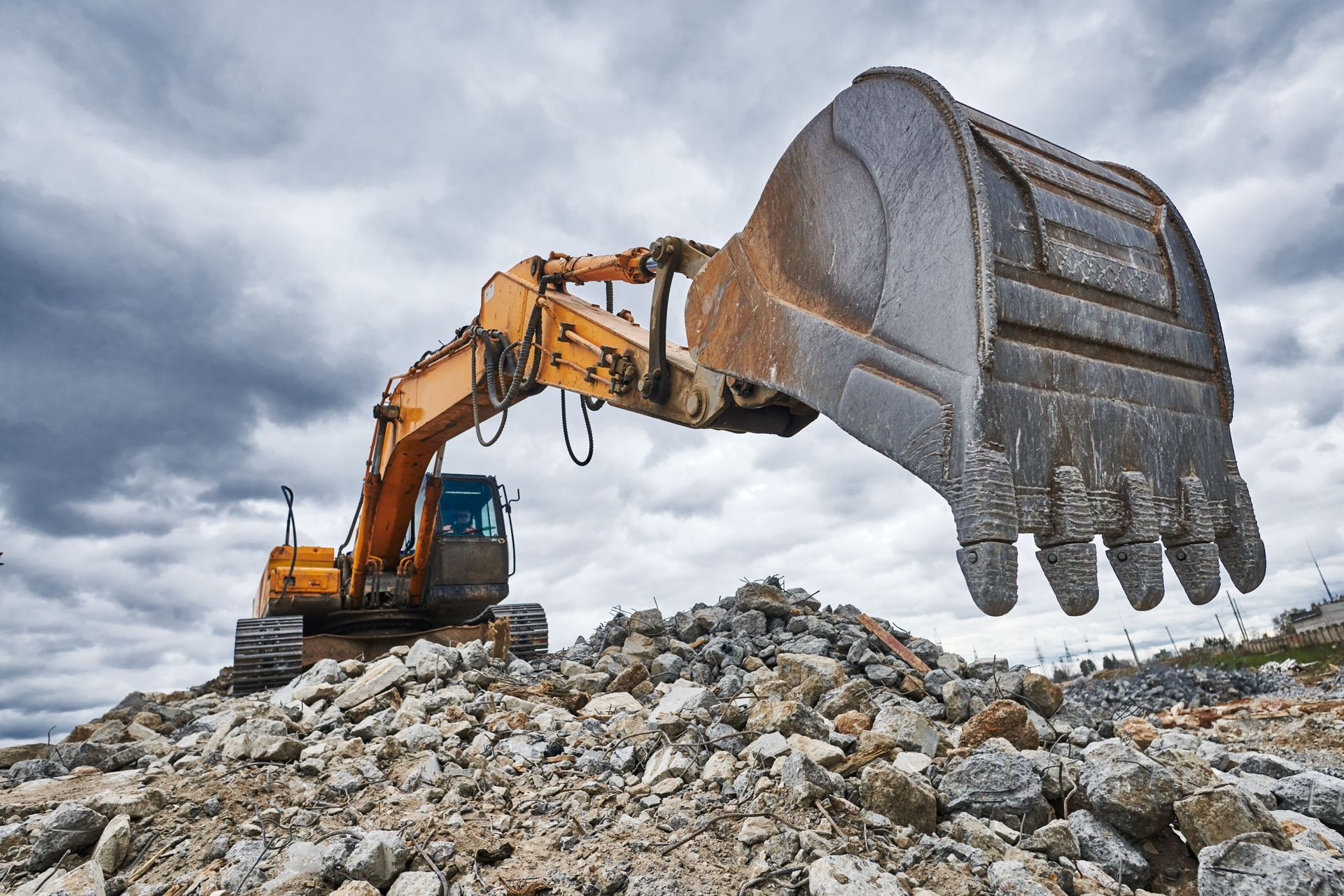
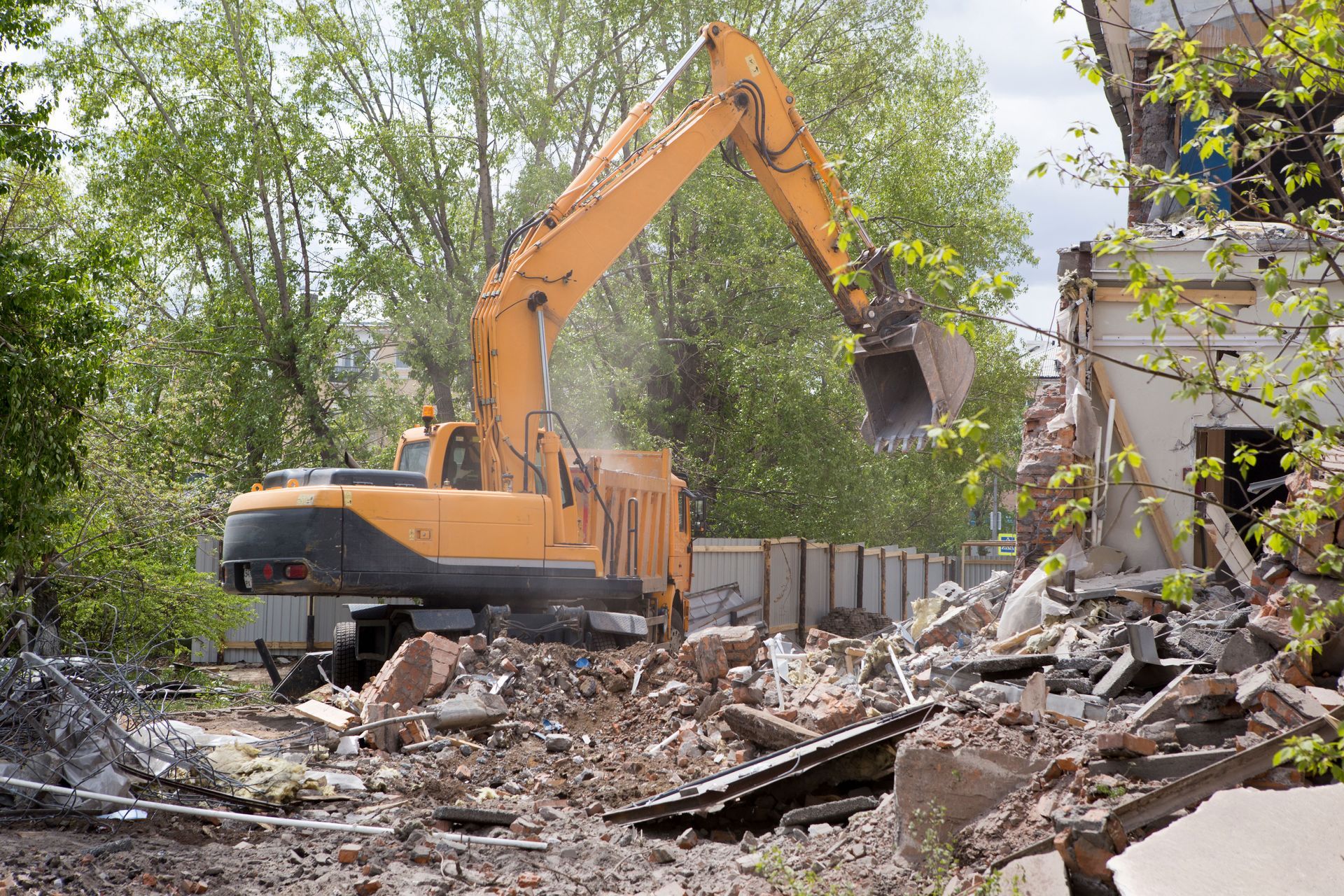
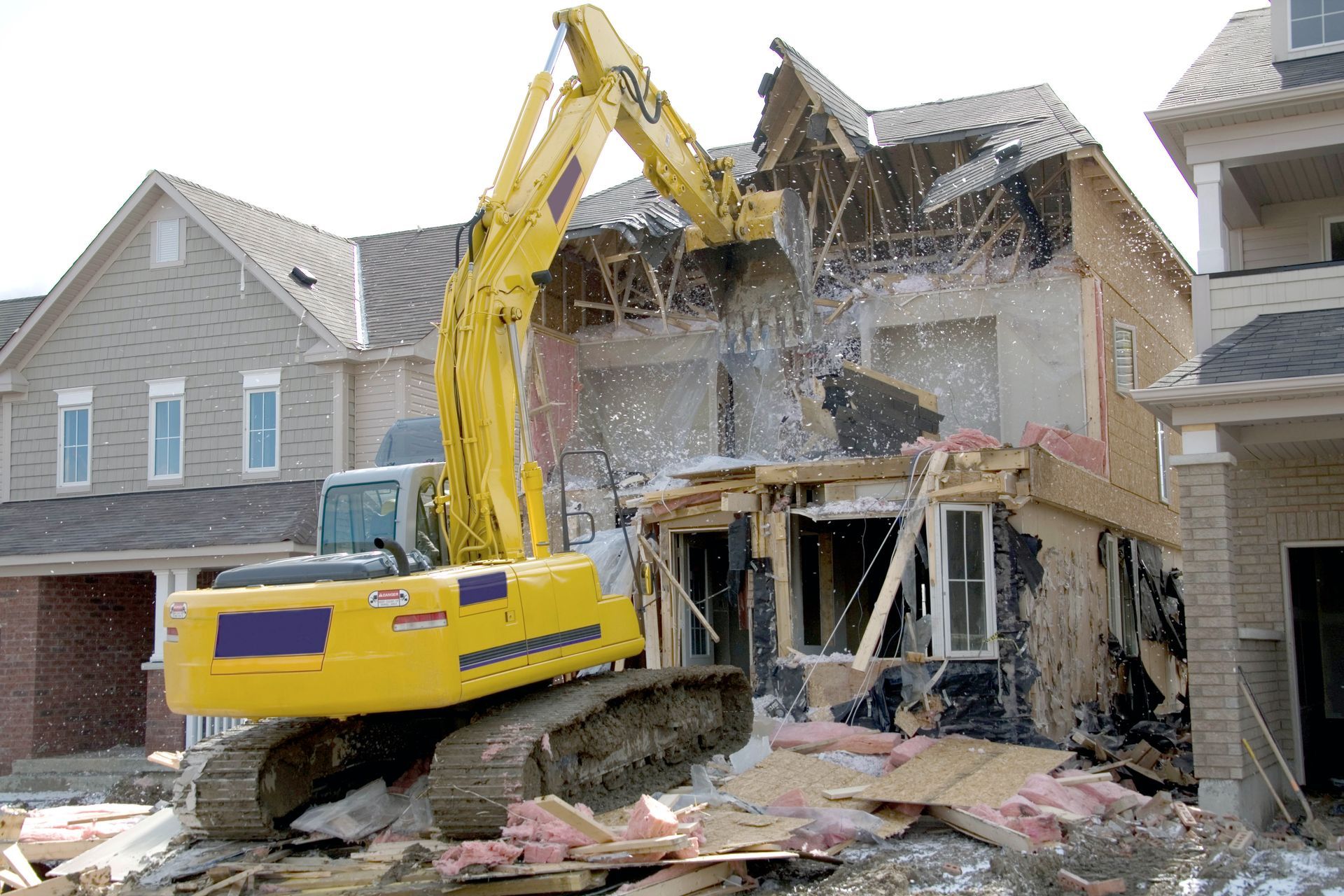
After a structure has been demolished, crews begin addressing the materials left behind. Concrete, wood, drywall, roofing materials, metal, insulation, and other construction waste may be scattered throughout the work area. Workers separate materials when possible so recyclable items can be handled appropriately. Larger pieces may need to be broken down further before they can be loaded into trucks or containers. Crews also inspect areas around the former structure for debris that may have been pushed aside during demolition. Removing these materials is important because leftover waste can create tripping hazards, obstruct equipment, and interfere with future site work. Professional demolition services typically include a cleanup process that accounts for the volume and type of material generated. A thorough debris removal process gives contractors a clearer view of the ground and makes it easier to identify areas requiring additional preparation.
Sorting and Hauling Construction Waste
Once debris has been collected, the next step involves sorting and transporting it away from the property. Different materials may require different disposal methods depending on local regulations and the facilities that accept them. Concrete and asphalt may be suitable for recycling, while metals can often be separated for recovery. Wood, drywall, and mixed construction waste may need to be transported to approved disposal locations. Crews use dumpsters, roll-off containers, loaders, and hauling trucks based on the size of the project and the amount of material involved. According to HomeGuide, the demolition process generally takes between two and five days after the required permits and paperwork have been obtained. The time needed for cleanup and hauling can vary depending on the structure's size, debris volume, and disposal requirements. Experienced demolition services help coordinate this process so waste is removed efficiently and the property can move toward its next stage of development.
Inspecting the Cleared Property
After the bulk of the debris has been removed, the site needs to be inspected before additional work begins. This evaluation helps identify leftover materials, exposed utilities, uneven ground, and other conditions that may affect site preparation. Contractors may look for buried concrete, remnants of foundations, metal fragments, or other materials that were not removed during the initial demolition. They also examine the condition of the surrounding property to determine whether nearby sidewalks, driveways, landscaping, or access areas were affected. If underground utilities were disconnected or altered during the project, their locations and condition may need to be confirmed before excavation or grading continues. Demolition services that include post-project evaluations can help identify problems before they interfere with future construction. This inspection also gives property owners a better understanding of what additional work may be necessary. Addressing overlooked materials early can prevent delays and reduce the likelihood of having to repeat completed work.
Removing Old Foundations and Underground Materials
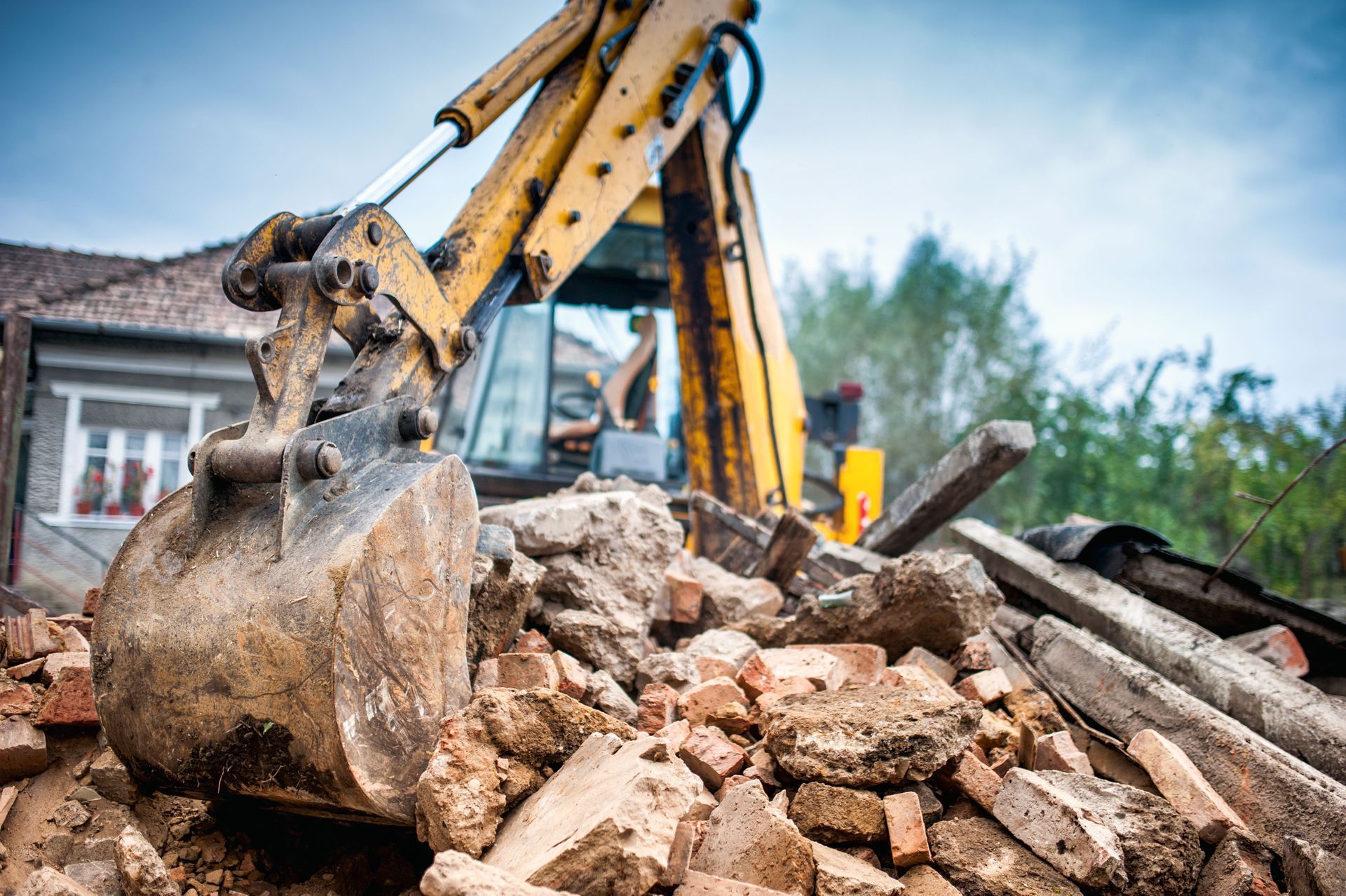
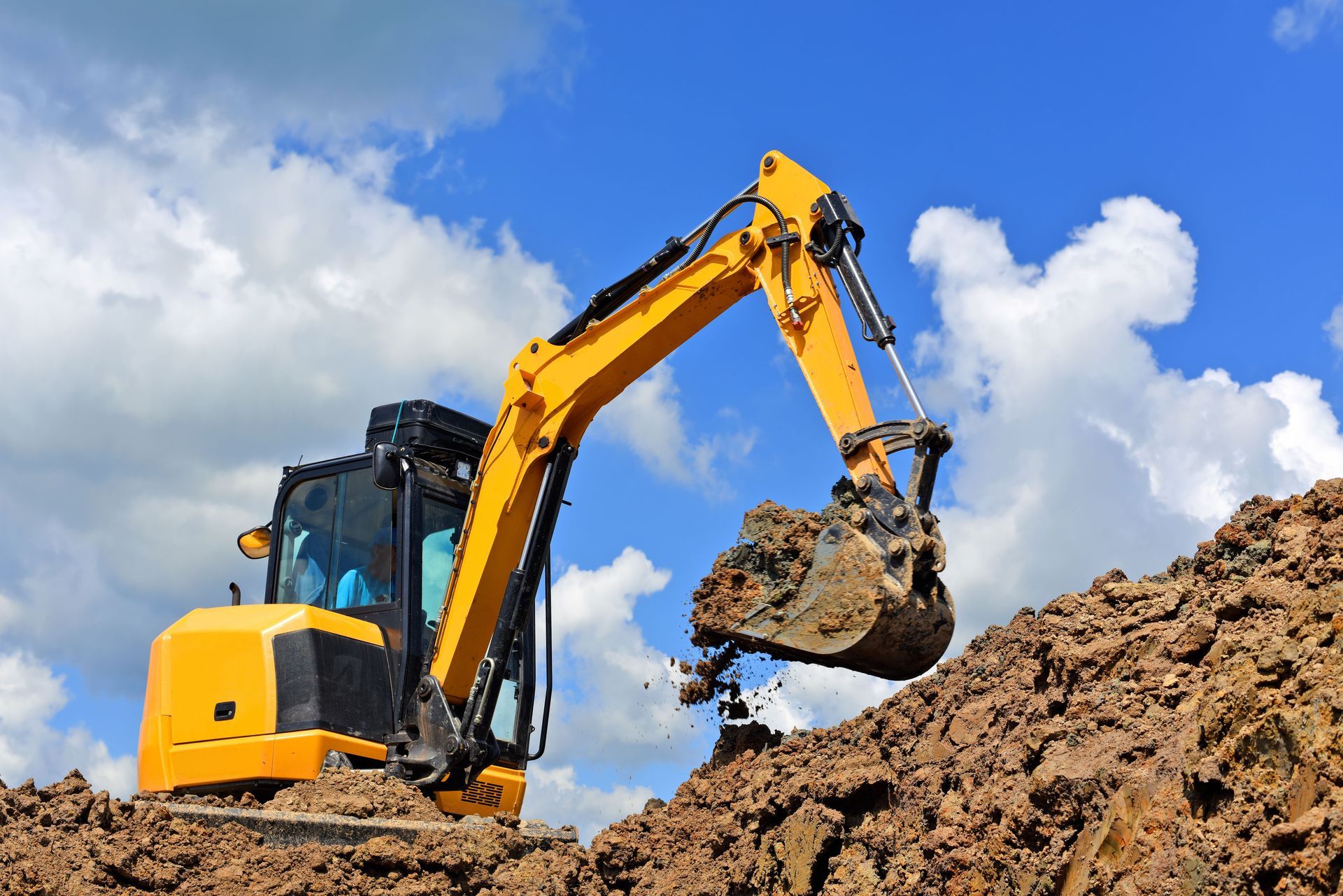
Some demolition projects require more than removing the visible portions of a building. Concrete foundations, footings, basement walls, slabs, and underground structures may also need to be excavated and hauled away. The scope depends on the property's intended use and the requirements of the next construction project. Contractors may use excavators, breakers, loaders, and other heavy equipment to remove these materials. Once the concrete is broken into manageable pieces, crews load it for transportation to an appropriate disposal or recycling facility. Care must be taken around underground utilities, drainage systems, and neighboring structures during this stage. Professional demolition services can help determine whether complete foundation removal is necessary or whether certain materials can remain under an approved plan. Removing unwanted underground structures creates more flexibility for future building, landscaping, or other property improvements. It also helps prevent buried materials from interfering with excavation and foundation work later.
Backfilling Excavated Areas
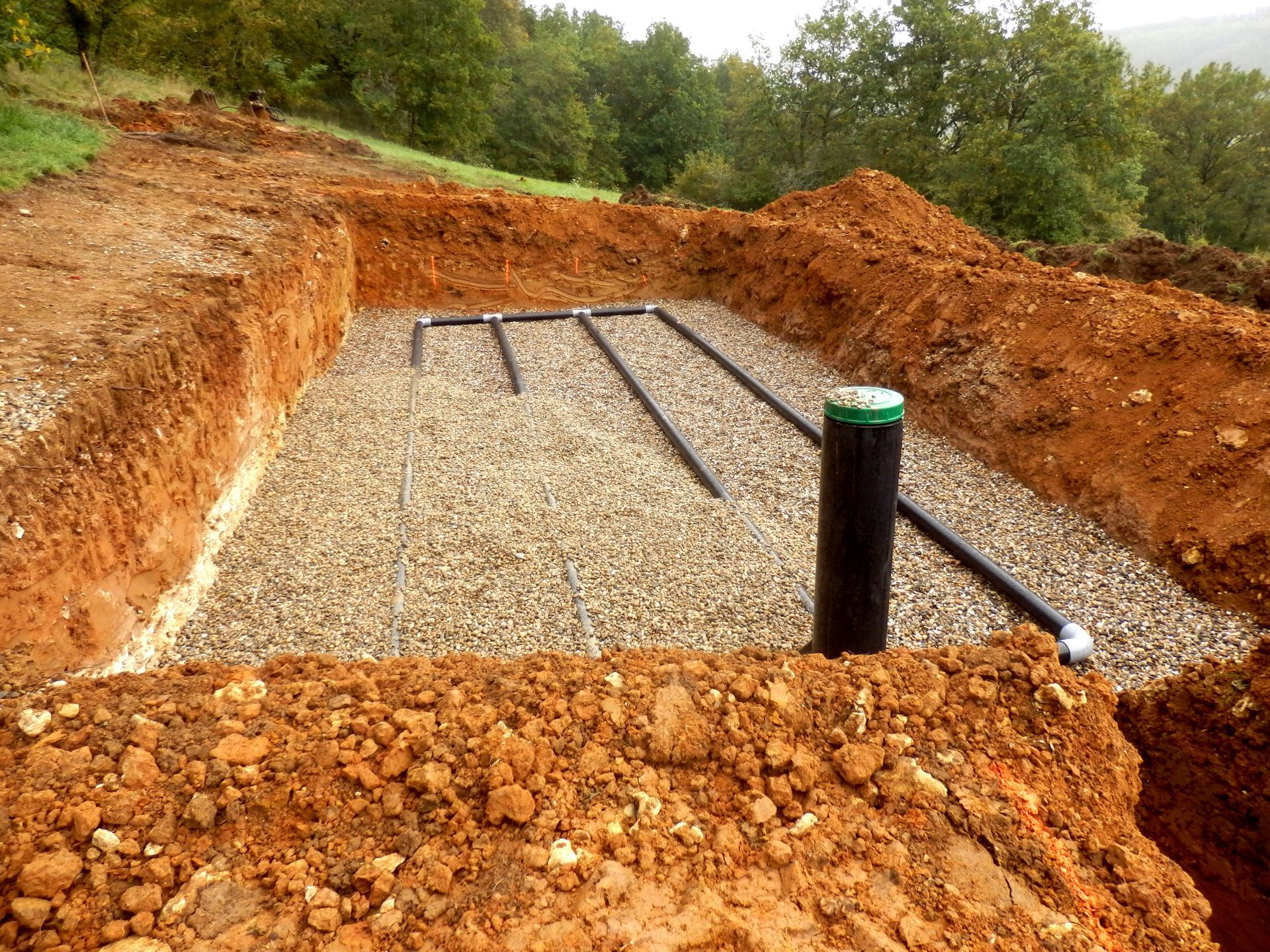
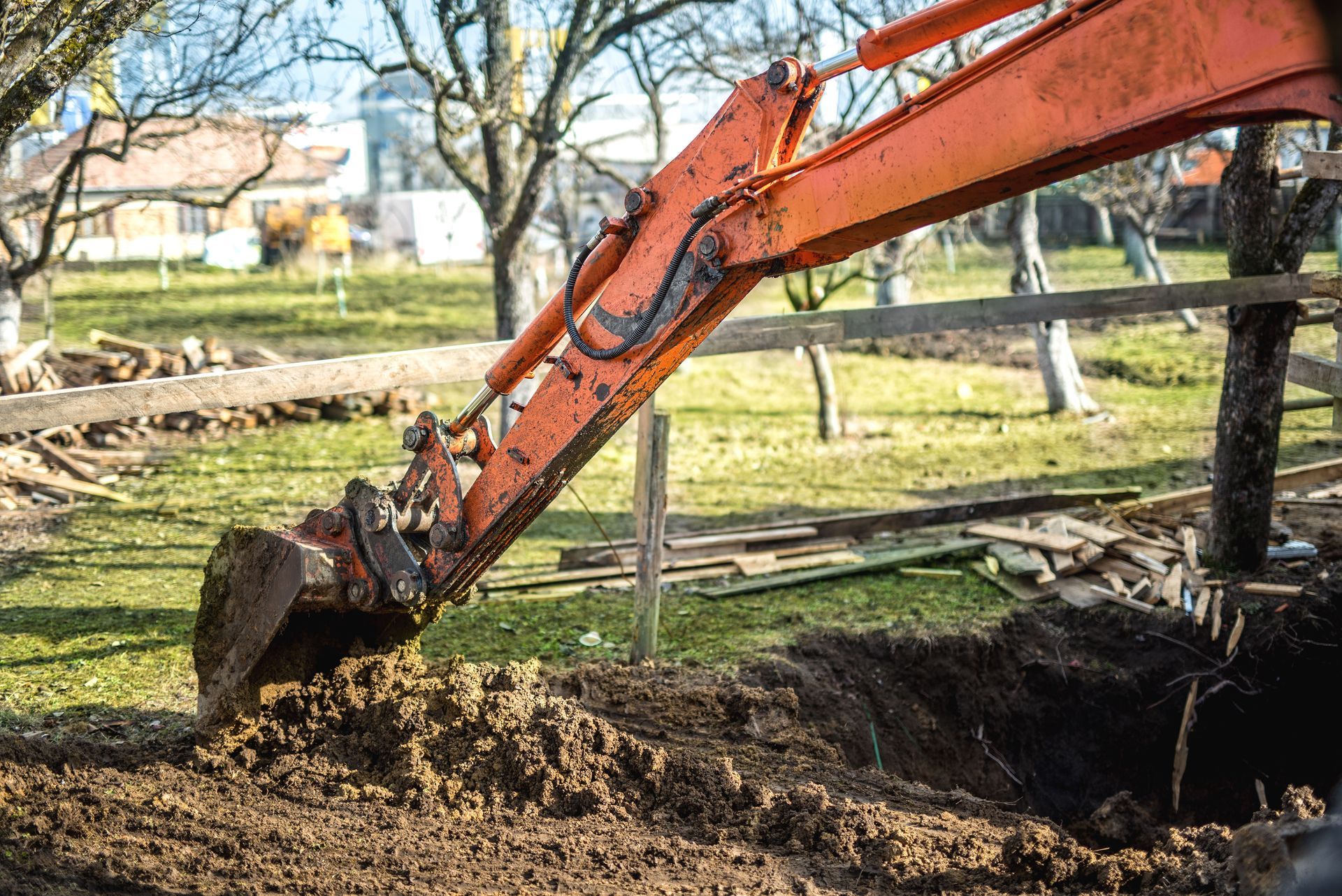
Backfilling is the process of placing suitable material into areas left open after demolition or excavation. This may include former basement spaces, foundation trenches, utility openings, and other depressions in the ground. Contractors select fill material based on the property's requirements and the intended use of the site. Clean soil or approved aggregate may be used, depending on drainage needs, soil conditions, and engineering specifications. The material is generally placed in layers rather than dumped into one large pile. Each layer may be compacted to reduce air pockets and limit future settling. Demolition services that include backfilling help restore a more consistent ground surface after below-grade structures have been removed. Proper placement and compaction are especially important when the property will support a driveway, building foundation, or other load-bearing feature. Completing this step correctly helps establish a more stable base for subsequent construction or landscaping.
Grading the Ground for Proper Drainage
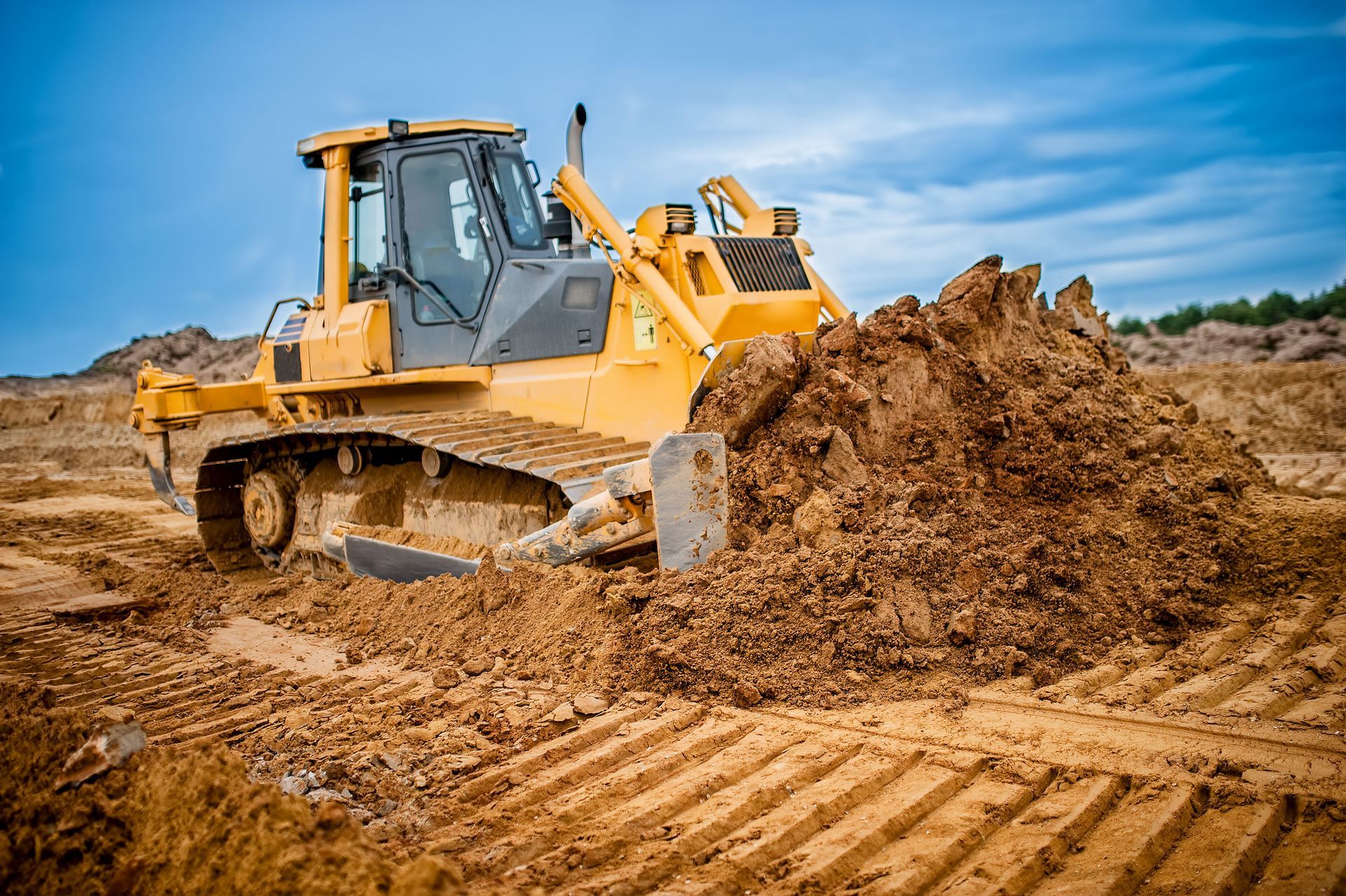
Once excavated areas have been filled, grading helps shape the ground into the desired elevations and contours. Contractors use heavy equipment to move soil and create a surface that supports the property's intended purpose. One important goal is directing surface water away from buildings and other areas where it could cause problems. Poor grading can allow rainwater to collect near foundations, create muddy areas, or contribute to erosion. The amount of slope required depends on the property's layout, drainage conditions, and applicable construction plans. Crews may use grading equipment and measurement tools to establish the necessary elevations. Professional demolition services can coordinate grading with the broader site preparation process so the cleared property is ready for its next phase. Proper grading also helps create a more usable surface for landscaping, paving, or construction. When drainage is considered early, property owners can reduce the risk of water-related issues after the project is completed.
Preparing the Site for Future Construction
A cleared and graded property may still require additional preparation before new construction can begin. Contractors may need to evaluate soil conditions, confirm elevations, establish access routes, and coordinate utility work. Depending on the project, the site may require additional compaction, drainage improvements, or engineered fill. Construction plans and local requirements help determine which preparations must be completed before building begins. Property owners should communicate with their demolition contractor about the next stage so the site is cleared and prepared according to the intended use. Demolition services that account for future development can help reduce unnecessary rework and improve coordination between project phases. For example, a property being prepared for a new building may require different grading and soil preparation than one intended for parking or open landscaping. Planning these requirements in advance helps ensure that demolition and site restoration work support the overall project.
Demolition is only one part of preparing a property for its next purpose. Debris hauling, foundation removal, backfilling, grading, and final cleanup all contribute to creating a safer and more usable site. The exact work required depends on the structure, property conditions, and plans for future development. Coordinating these steps with an experienced contractor can help reduce delays and keep the project organized. For professional demolition, debris hauling, and site preparation assistance, contact AAA Advantage Carting & Demolition to discuss your project and schedule the services needed to prepare your property for what comes next.
Share On: